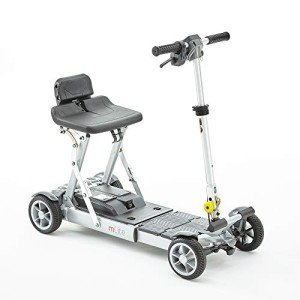
Understanding Mobility Devices: Enhancing Independence and Quality of Life
In today's busy world, the desire for mobility is universal. However, certain medical conditions or age-related obstacles can impede movement, leading to an ongoing look for support. Mobility devices work as necessary tools to boost independence, enhance quality of life, and allow individuals to engage totally in their communities. use this link offers a detailed introduction of mobility devices, including their types, features, choice requirements, and more.
Types of Mobility Devices
Mobility devices range from basic aids to complex equipment, tailored to satisfy various needs. Below is a table summing up common types of mobility devices:
| Type of Device | Description | Ideal For |
|---|---|---|
| Walkers | Four-legged support devices that offer exceptional stability while strolling. | People requiring additional support. |
| Walking sticks | Single or three-legged sticks that enhance balance and assistance walking. | Those with slight mobility difficulties. |
| Wheelchairs | Seats mounted on wheels, offered in manual and electric variations. | Individuals with restricted or no mobility. |
| Scooters | Electric automobiles developed for outdoor usage and ease of navigation. | Those who can't stroll cross countries. |
| Crutches | Devices that help people move weight far from a hurt leg. | Individuals recovering from leg injuries. |
| Rollators | Walkers with wheels, seats, and brakes for boosted mobility. | Users requiring rest alternatives while strolling. |
| Raise Chairs | Reclining chairs that help users in standing up and taking a seat. | Seniors or those with mobility restraints. |
| Mobility Scooters | Small electric lorries for limited mobility, typically utilized outdoors. | People needing support over long ranges. |
Key Features of Mobility Devices
When picking a mobility gadget, several key functions ought to be thought about to guarantee optimal functionality and ease of use:
- Weight Capacity: Understanding the device's weight restriction is important for security and efficiency.
- Adjustability: Devices needs to be adjustable in height and width to fit the user comfortably.
- Portability: Lightweight and foldable choices are vital for users who travel or require transport.
- Stability and Safety: Look for functions like anti-tip wheels and sturdy structures to enhance safety.
- Relieve of Use: Simple systems and user-friendly designs can make a significant difference in everyday usage.
- Convenience: Ergonomic styles and padded seats can enhance the user experience.
Choosing the Right Mobility Device
Choosing the right mobility gadget can be a complicated task. Here are some actions to assist the decision-making process:
- Assess Needs: Evaluate the individual's mobility challenges and day-to-day activities.
- Consult a Professional: Engage healthcare professionals who can supply suggestions based upon the person's physical condition.
- Trial Options: If possible, trial different devices to determine convenience and performance.
- Review Budget: Consider the cost of the device, including any additional features or adjustments required.
- Research Options: Determine the best brands and models by checking out reviews and comparisons.
Table: Comparative Analysis of Popular Mobility Devices
| Device | Advantages | Disadvantages |
|---|---|---|
| Walkers | Outstanding stability, promotes walking. | Bulky, may restrict motion in small spaces. |
| Canes | Lightweight, improves balance. | Might not supply adequate support for serious mobility issues. |
| Wheelchairs | Perfect for those with considerable mobility restrictions. | Can be cumbersome, especially in indoor environments. |
| Scooters | Great for outside use, simple to maneuver. | Restricted indoor usability, heavier. |
| Rollators | Supplies rest option, simple to move. | May need more space than standard walkers. |
| Lift Chairs | Comfy, assists transition from sitting to standing. | More costly, bigger footprint. |
Frequently Asked Questions (FAQs)
1. What is a mobility device?
A mobility device is any tool developed to assist individuals in moving and browsing their environment. This consists of walkers, wheelchairs, scooters, and crutches.
2. How do I understand which mobility gadget is best for me?
Consider your particular mobility difficulties, physical capabilities, and lifestyle requirements. Consulting with health care specialists can likewise supply customized recommendations.
3. Are mobility devices covered by insurance?
Many insurance plans, consisting of Medicare, might cover specific mobility devices. It's important to check with your insurance company for particular coverage details.
4. Can I rent a mobility gadget rather of buying one?
Yes, numerous medical supply stores and drug stores use rentals for mobility devices. This alternative is helpful for individuals with temporary mobility problems.
5. How can I keep my mobility device?
Regular maintenance is essential. It consists of cleaning up the device, inspecting for wear and tear, and guaranteeing all parts are functioning properly.
The Impact of Mobility Devices on Quality of Life
Mobility devices considerably improve the lifestyle for individuals with limited mobility. They foster independence, encourage social interaction, and boost access to important services and leisure activities.
- Increased Independence: Users can browse their areas, go to occasions, and participate in pastimes without relying on others.
- Social Engagement: Mobility devices facilitate participation in celebrations, thereby combating feelings of seclusion.
- Improved Safety: Devices supply stability and lower the danger of falls, promoting user confidence.
Mobility devices are more than simply tools for movement; they are entrances to self-reliance and quality living. By understanding the various types of mobility aids available, their key functions, and factors to consider for choosing the right gadget, individuals can make educated decisions about their mobility needs. Ultimately, the ideal mobility gadget can cause a more active, fulfilling life. Whether it's a walker, wheelchair, or scooter, the ideal choice contributes considerably to enhancing the mobility and self-reliance of users.